Cat type
Domestic Shorthair cat insurance cost and health risks

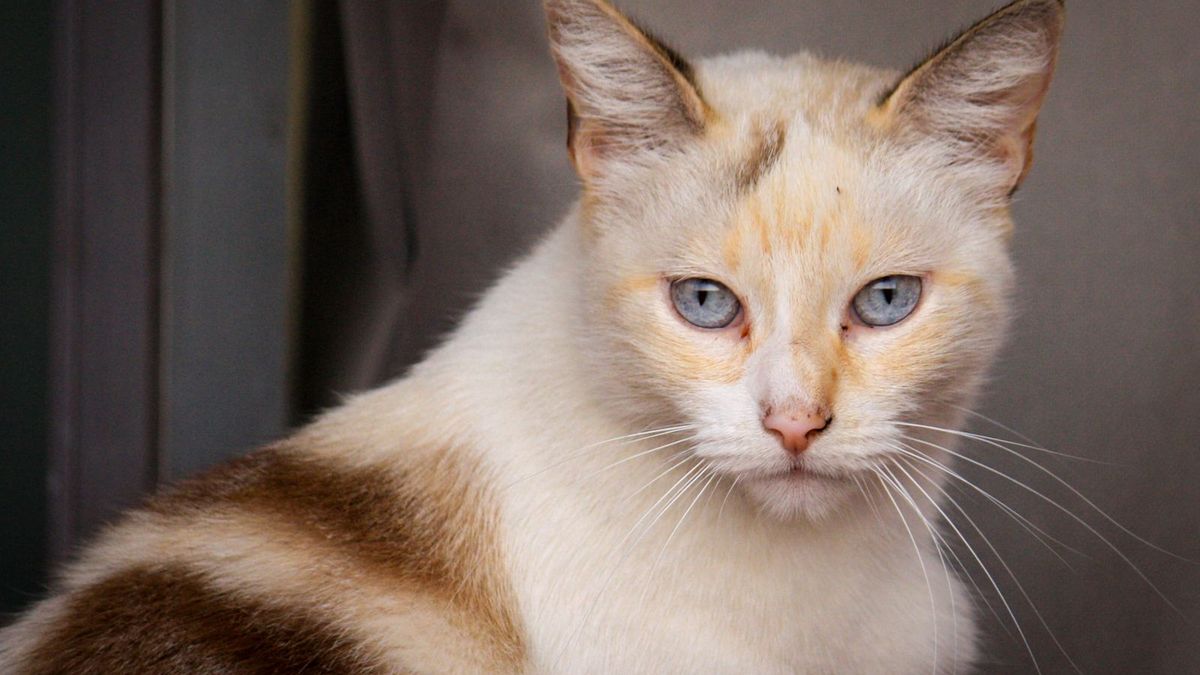
The Domestic Shorthair is a medium type, typically 8 to 15 pounds, with a lifespan of 12 to 20 years. Its best documented health risks are urinary tract disease and dental disease.
Domestic Shorthair at a glance
| Figure | The profile |
|---|---|
| Weight | 8 to 15 pounds |
| Lifespan | 12 to 20 years |
| Coat | Short coat in almost any color or pattern |
| Temperament | Variable, typically well balanced and adaptable |
Health checks for this breed
Feline screening runs through your vet rather than a central registry. For this type, the checks that matter most follow from the conditions below: urinary tract disease, dental disease, chronic kidney disease, hyperthyroidism. A breeder should be able to show health records and test results for the parents.
Conditions Domestic Shorthair owners tend to claim for
Urinary tract disease
Bladder inflammation, crystals and blockages are among the most common reasons domestic cats are taken to a vet, and a blocked male cat is an emergency.
Evidence: Cornell Feline Health Center.
Dental disease
Gum disease and tooth resorption affect a large share of adult domestic cats and are a leading reason for dental procedures.
Evidence: Cornell Feline Health Center.
Treatment typically runs $300 to $700 and up. Source: CareCredit, How Much Does Cat or Dog Teeth Cleaning Cost?.
Chronic kidney disease
A gradual loss of kidney function that becomes common as domestic cats age, and a top cause of illness in older cats.
Evidence: Cornell Feline Health Center.
Hyperthyroidism
An overactive thyroid, usually in older cats, that speeds up metabolism and strains the heart if it is not treated.
Evidence: Cornell Feline Health Center.
What a claim would pay
A worked example
- The bill for treating dental disease comes to $500.
- The yearly deductible takes off $500, leaving $0.
- The policy reimburses 80 percent of $0, which is $0.00.
The policy pays $0.00 and you pay $500.00.
Example terms only: a $500 yearly deductible and 80 percent reimbursement, with the deductible not yet met this year. Your own policy terms decide a real claim.
The bill is the middle of the published range for dental disease, $300 to $700 and up. Source: CareCredit, How Much Does Cat or Dog Teeth Cleaning Cost?.
The national average, for context
The national average premium
| Coverage | National average |
|---|---|
| Accident and illness, average for a cat | $435 a year |
| The same average as a monthly figure | $435 divided by 12 is $36.25 a month |
| Accident only, average for a cat | $112 a year |
These are averages across every breed and age in the country, from the North American Pet Health Insurance Association, State of the Industry Report, 2026 edition, reporting 2025 data. They are printed for scale. No source publishes an average premium for one breed, and this site does not present this figure as a price for any single cat.
Coverage notes for this breed
Hereditary coverage. Trupanion: Covered. Trupanion's puppy and coverage pages list hereditary and congenital conditions, including breed-specific conditions such as hip dysplasia, as covered like any other illness, if not pre-existing. Captured from the insurer's published terms on October 27, 2026.
How this site is paid: this page will carry affiliate links, and if you buy through one, the insurer may pay CostByBreed a fee. None are live yet, so every button currently routes to the quote page, which says which partners are open. Read the affiliate disclosure for the full picture.
Similar breeds to compare
The Domestic Shorthair Cost Cheat Sheet
One page on the Domestic Shorthair: the conditions Domestic Shorthairs are prone to, what treatment for each one typically costs, and the national average premium for context, all from the same dataset as this page, gathered onto one sheet you can keep, print, or take to the vet. Tell us where to send it.
One welcome email with the sheet, then occasional cost updates. No spam, no selling your address.
Frequently asked questions
How much does it cost to insure a Domestic Shorthair?
No source publishes an average premium for one breed, and any site showing one is showing its own quote sample. The national average for a cat is $435 a year for accident and illness cover, from the North American Pet Health Insurance Association, State of the Industry Report, 2026 edition, reporting 2025 data. What you actually pay depends on your cat's age, your state, and the deductible and reimbursement share you pick.
What health conditions do Domestic Shorthair cats tend to get?
The best documented health risks for this breed are Urinary tract disease, Dental disease, Chronic kidney disease, Hyperthyroidism. Each is listed on this page with the evidence behind it and the treatment cost where a source publishes one.
What does dental disease treatment cost?
Published ranges put it at $300 to $700 and up. Source: CareCredit, How Much Does Cat or Dog Teeth Cleaning Cost?. The worked example on this page shows what a policy would pay toward a bill in the middle of that range.
When is the best time to enroll a Domestic Shorthair?
Before anything goes wrong. Conditions that show symptoms before a policy starts, or during its waiting periods, count as pre-existing and are not covered. Waiting periods run from the start date, so enrolling while your cat is healthy is what makes the policy worth having.
Does pet insurance cover hereditary conditions in a Domestic Shorthair?
Most current policies cover hereditary and congenital conditions, and the difference between brands is in the waiting periods and clauses attached. The coverage notes on this page record what the insurers' own published terms say, with the capture date.
Type profile: Cat Fanciers' Association breed material and feline health sources. Condition evidence: Cornell Feline Health Center. Premium benchmark: North American Pet Health Insurance Association, State of the Industry Report, 2026 edition, reporting 2025 data. Policy facts captured October 27, 2026 from each insurer's published terms. See the methodology page for how every source is used.